
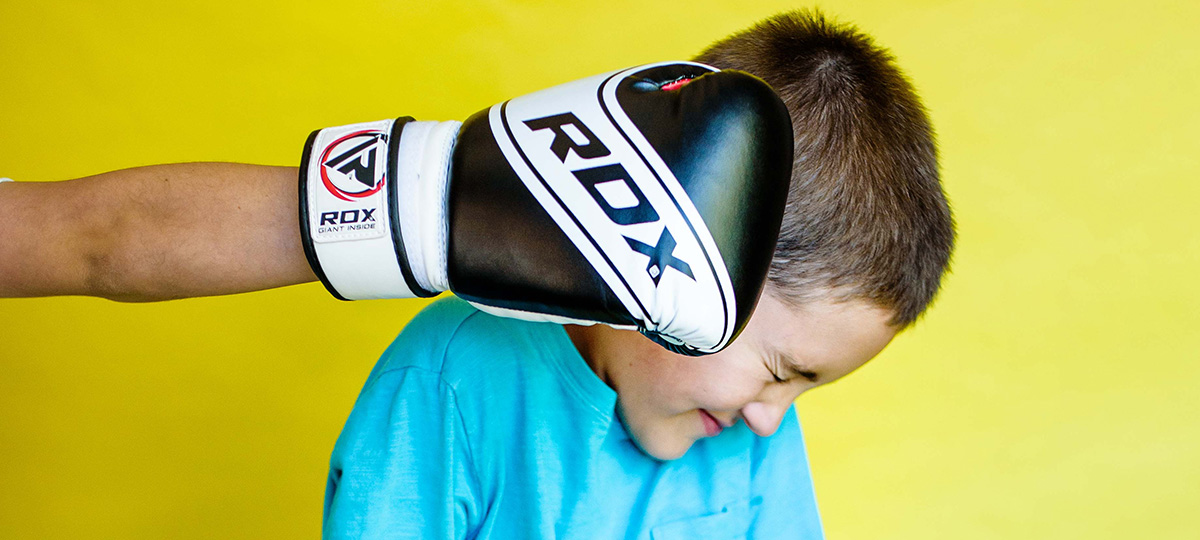
7 Reasons Siblings Fight Constantly


Inside: Understanding the reasons why siblings fight constantly can help you eliminate the bickering, arguing or fighting. This is the first step to bringing peace to your home.
Originally posted: April 15, 2020
Updated: January 30, 2026
My kids fight. a lot.
I have three boys, and not only that, but they’re all gifted and have other brain differences, which can add gasoline to the smallest fires. It was getting so bad, I didn’t know what else to do (yes, even has a parent coach!)
The fighting wasn’t just annoying me or making me exhausted because I was constantly needing to break up the fights, but I could also see how it was impacting my boys. It was affecting their relationship, their emotional development, and I’m sure their mental health.
I kept asking myself, “Why can’t everyone just get along?”
I’m telling you, the world would be a much better place if people, including siblings, were kind to each other!
This post may contain affiliate links. I will make a small commission if you make a purchase through one of these links, at no extra cost to you. See my disclosure policy here.
Table of Contents
Siblings Who Fight Constantly Can Be Linked to Poor Mental Health
I used to dismiss sibling fighting as just part of growing up.
It’s so common, right? Part of me thought it was good for character development, that they’d learn resilience or problem-solving on their own.
For the most part, our boys play really well together and can be best friends.
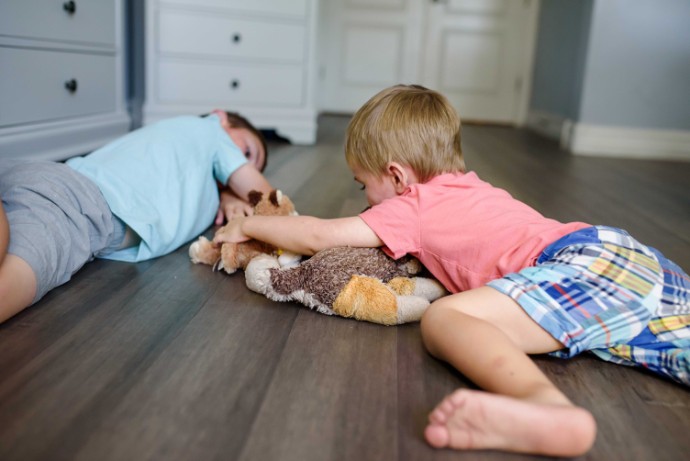
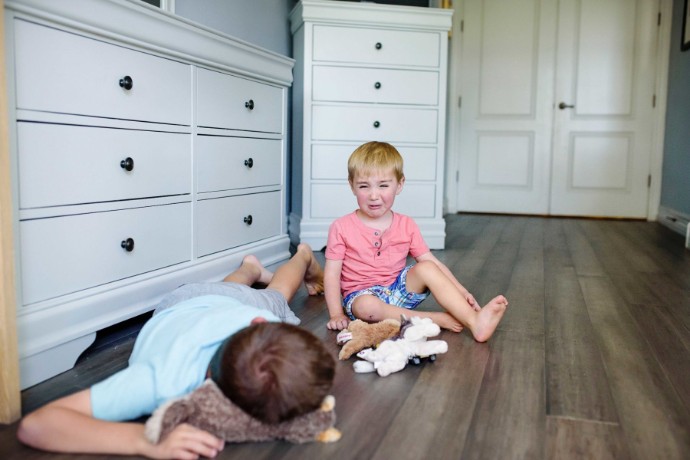
However, there are many times when their play wrestling goes a step too far. Also, if one boy is tired, hungry, needing attention, or all of the above, the fighting escalates to an unsafe level. And it never fails that one of my older boys will fight with my toddler over who owns what toy.
Why does that even matter?!
What I’ve learned over the years is this: While some conflict is normal and even healthy, constant fighting, especially when it crosses into aggression, name-calling, or one-sided targeting, can cause real harm.
And as a parent, I can’t just let it play out. I need to guide them through it.
If you need support with this, check out the Stop The Fighting! Parent Toolkit. It’s full of practical tools, skills, and audio lessons to help you get your kids to fight less.
Read Next: The Real Reasons Parenting is Hard and How to Make It Easier
Whenever I’m facing any kind of parenting problem, my first go-to is to hit the research. Yes, I pray and have mommy intuition, but the research gives me a compass.
I was looking for studies on the reasons siblings fight constantly, and what kept coming up was…
Siblings fighting can actually lead to poor mental health.
According to Science Daily, “Fights between siblings are so common they’re often dismissed as simply part of growing up. Yet a new study finds that sibling aggression is associated with significantly worse mental health in children and adolescents. In some cases, the effects of sibling aggression on mental health were the same as those of peer aggression.”
Therefore, when siblings fight constantly, it can cause problems that should not be shoved under the rug or shrugged off. Instead, we need to communicate to our kids how important it is to get along or leave the other sibling alone.
What This Means for You as a Parent
So what do we do with this information?
We can’t eliminate sibling conflict. It’s developmentally normal, and honestly, it’s where kids learn critical life skills like communication, problem-solving, and repair.
But we can’t ignore it either.
Our role is to guide our kids through conflict in healthy ways:
- Teaching them how to express their needs without attacking
- Helping them see their sibling’s perspective
- Showing them how to repair relationships after ruptures
- Intervening when conflict becomes harmful
The goal isn’t to stop every fight. The goal is to teach them how to navigate disagreement without damaging the relationship.

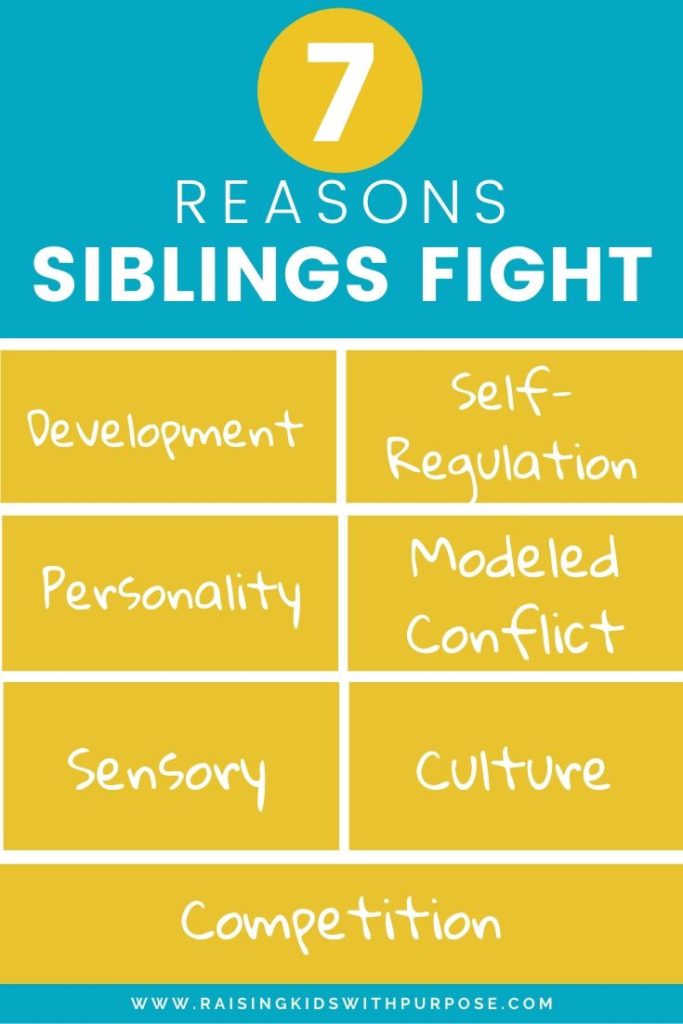
7 Reasons Siblings Fight
To fix the problem, we need to know why the problem exists. The reasons below are adapted by Kids Health with a few of my own observations.
1. Development
One reason brothers and sisters constantly fight is because of brain development. Kids may not have the skills to understand why their siblings are acting a certain way. Or it can be how they are trying to figure out the world.
A common saying is that relationships take work.
This rings even more true for growing children whose brains don’t have the skills to interpret how another person feels, let alone unpack his or her own feelings.
3 General Stages That Impact Siblings Fighting:
- Toddlers & Preschoolers | Discovering independence, beginning to understand possession
- School-Age Kids | Fighting for autonomy, having a strong sense of equality (or what is or isn’t fair) and knowing what’s right and wrong.
- Pre-teens and Teenagers | Coming into their own, discovering who they are apart from their parents.
2. Self-Regulation Development
The ability to self-regulate is a huge one.
Neurotypical kids usually start to self-regulate by the ages four or five. However, if your child has asynchronous development happening in his or her brain, as my boys do, then this skill may come later.
Kids need to manage their own problems and stress responses before being able to understand others. You can find more information on self-regulation in this post.
For You! By subscribing to be part of the Raising Kids With Purpose community, you will receive a free calm down toolkit.
3. Personality
It’s no secret that some personalities just don’t mix.
According to the Child Development Institute, “Personality is determined by the interaction of temperament traits with the environment. Each person (including your child) comes with factory-installed wiring.”
Your kids could have temperaments that don’t mesh well. This is not an excuse to allow them to fight, but rather, something worth looking into to see how they can build each other up. A great way to do this is to have each kiddo learn what their siblings’ core character strengths are.
Besides looking at their strengths, there are nine temperamental traits that may help you discover why contention rises. They are activity level, distractibility, intensity, regularity, sensory threshold, approach/withdrawal, adaptability, persistence, and mood.
Any bells going off as you read through those attributes?
I can hear the sirens blaring as I skim past every single one!
Something else to keep in mind is when kids have special needs or behavioral challenges as that can also add fuel to the fire. We have some of that in this house so what would be a small argument can turn into a full-blown brawl if not stopped immediately.
4. How Fighting Is Modeled
Ooooh, this one can sting a little bit.
Our kids learn through observing and imitating. Witnessing conflicts being resolved between you and your partner or between you and anybody for that matter, can impact how your kids interact with each other. This also goes for any other influence they hav,e such as television shows, video games, and other people they spend a lot of time with.
It’s important to connect before you correct and remain calm when correcting behavior. One of those reasons is that the way you treat your child will impact how he or she treats a sibling.
And you know what, your kids may be acting in ways that you never do. Most likely, they have outside influences. Kids learn a whole slew of words and actions from peers and other adults in their lives.
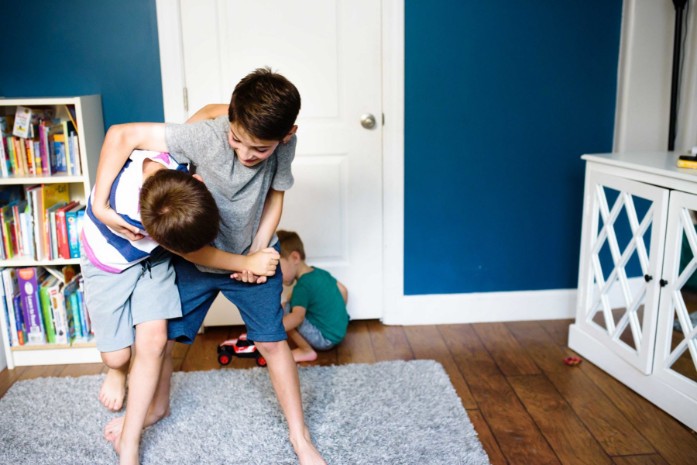
If this is happening, bring it up!
I often will tell my boys, “When I disagree with dad on something, I don’t just go up to him and slap him in the back or punch him in the face. Wouldn’t that be silly if I did?” They usually agree and are slowly making the connection of the kind of behavior they should have with each other, especially during a disagreement.
5. Sensory Challenges
The research has been pouring out over the last decade about sensory integration.
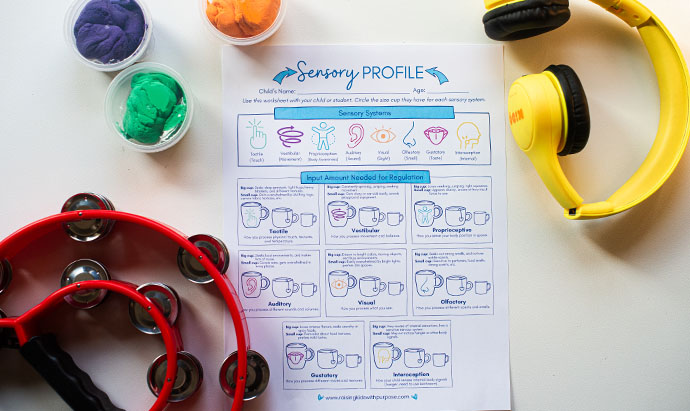
Every person perceives what he or she tastes, touches, hears, sees or smells differently from each other. In addition to those basic five senses, there are also vestibular (balance) and proprioceptive (awareness of body in space) senses that can affect mood and the way kids interact with each other.
Read Next: The Ultimate Guide: Understanding Sensory Processing Systems in Kids
Kid Sense explains sensory integration as “…the effective registration (and accurate interpretation) of sensory input in the environment (including one’s body). It is the way the brain receives, organizes, and responds to sensory input in order to behave in a meaningful & consistent manner.”
Our family has two kiddos with sensory processing sensitivity which makes them extra sensitive to noise and touch. And these challenges have a major impact on whether or not they can get along with each other.
We used to have music playing in our house nonstop. What I realized is that the extra noise was causing sensory overload which led to more fighting and physical touch between my boys.
There is a common misconception that only children with diagnoses have a sensory challenge. Any child can be more sensitive. To figure this out, simply observe how each of your children reacts to his or her environment. Also, a friend recently introduced me to this quiz on highly sensitive people that you can take for your kids AND yourself!
6. Culture
Culture impacts behavior in everyone. A child’s environment will affect how he or she sees the world, including how he or she treats a sibling.
Research even shows that culture may shape how the brain processes anything visual.
This is important to keep in mind when siblings fighting is driving you bananas.
7. Competition
Does anyone else have kids who literally turn everything into a competition or comparison? There is a laundry list of reasons why sibling rivalry exists.
Read Next: Quality Time: The Best Way to Stop Unwanted Behavior and Sibling Fighting
Self-determination theory explains that all humans are born with three basic psychological needs, autonomy, relatedness, and competence. Therefore, kids want to be separate from their siblings and define who they are as individuals. There may also be a need to feel less competent when compared to a sibling which can cause more contention.
Another piece of the puzzle is that kids have what I call an attention bucket that needs to be filled by their parents. If that bucket is empty, a child may be competing for the attention and love they innately crave.
Do Your Kids Fight?
What is it like at your house?
Do you have siblings who fight constantly?
Or just fight some of the time?
I hope that with this list of reasons, you can chisel away some of the problems in order to bring more peace into your home.
As I said, no one wants to hear their kids fighting all day.
Now that you understand why your kids fight, the next step is learning how to guide them through conflict in healthy ways.
This means:
- Mediating instead of dictating solutions
- Teaching them to express feelings without attacking
- Guiding them to problem-solve collaboratively
- Helping them repair relationships after ruptures
I dive deep into all of this in my Stop the Fighting! Parenting Toolkit.
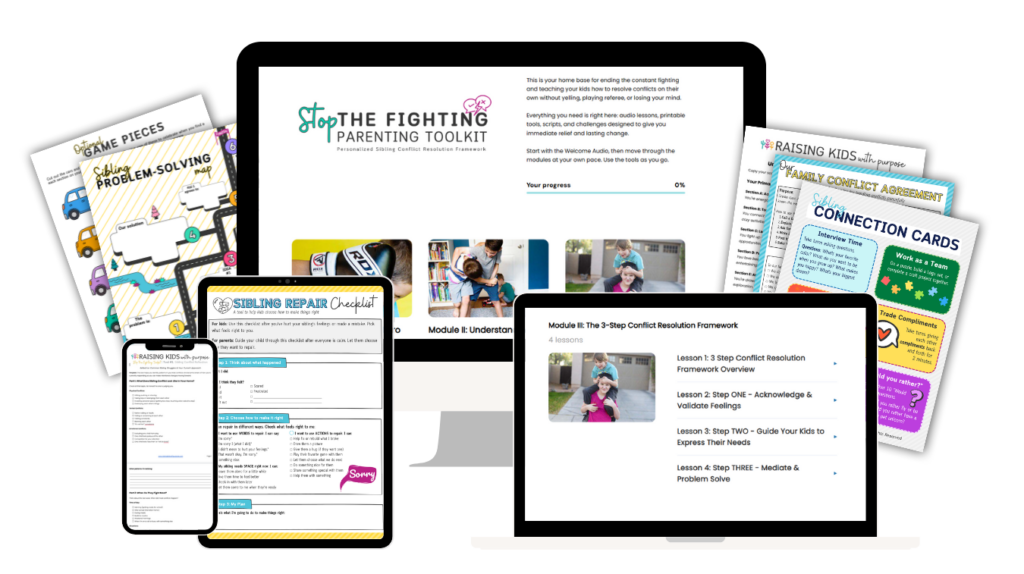
It includes:
- A proven 3-step framework for guiding conflict
- Scripts for what to say in the moment
- Tools your kids can use to resolve disagreements on their own
- Audio lessons you can listen to while doing laundry or driving
Understanding why they fight is step one. Learning how to guide them through it is step two.
You can also read more about conflict mediation in this post on how to stop siblings fighting without getting involved.

Hello!!! I’m Adriane. I’m a mom to three loud boys, am a research-a-holic and very passionate person who writes at Raising Kids With Purpose. Parenting can feel so hard sometimes but with mindset shifts and understanding, it can be very enjoyable. My hope is to inspire parents like you to create lifelong connections with your children and enjoy the journey along the way!



I only have one child but I’ve seen fighting with my son and his friends when they get to much together time. Thank you for the tips!
Really?! Thankfully, our boys don’t really fight with friends but that’s probably because they get it all out with each other!
So far my kids don’t fight too much. They’re 4 and 1, so my older one usually just gets frustrated with the little one. I’m sure as they get older they’ll start to fight more. Until then, I love that they get along!
That’s awesome! They may never fight with that much of an age gap. There are so many factors at play 🙂
Thought it was helpful how you broke all the possible reasons down for parents. Yes, part of it can be normal, but you are right that as a parent we need to stay attuned to sibling fighting to ensure that it is “done well”. Name calling and bullying in families can leave lasting impressions.
It really can. The research studies I found on it really opened my eyes to the psychological damage that can be done.
Mine don’t fight too often but they definitely sometimes get a sibling rivalry thing. It usually centers around vying for my attention or sharing a toy.
That’s great they don’t fight!
My kids fight more than I would like sometimes.
They are 5 and almost 12. I know the age gap has a bit to do with it.
Yes, that age gap is hard as they are in different developmental stages!
This is a great read with so much helpful info! Finding the reason behind the fighting is a huge help! Sometimes my kids fight if they don’t get enough one on one time with me so I try to balance it out.
The why is so important! Thank you for the sweet compliment. And I agree…one on one time is HUGE!
This is a great article especially for right now !
Thank you!